
Seattle Architecture Trends in 2025: Sustainable, Modern, and Timeless
Summary: In 2025, Seattle architecture is defined by sustainability mandates, modern minimalist living, and timeless materials. From policy-driven net-zero goals to climate-resilient waterfronts and an ADU housing boom, architects in Seattle — including Coates Design — are rethinking how homes and buildings look, function, and endure.
Why Seattle Architecture Matters in 2025
Seattle isn’t just another American city when it comes to architecture. It’s a testing ground. The city’s blend of progressive climate policies, tight housing market, and passionate design culture make it a bellwether for trends that often ripple outward to Portland, San Francisco, and even New York.
At Coates Design, we see homeowners, developers, and communities asking the same questions:
- How can I build sustainably without breaking my budget?
- What styles feel modern today but won’t look dated in a decade?
- How do we design for a climate that’s changing faster than expected?
This article explores five core Seattle architecture trends shaping 2025, plus practical steps for anyone planning a home, remodel, or new development.
1. Policy as a Design Driver: Net-Zero and Electrification
In Seattle, sustainability isn’t optional — it’s policy. City regulations are phasing out fossil fuels, mandating energy efficiency, and incentivizing all-electric construction.
- For homeowners: This means thinking about heat pumps, induction ranges, and energy-efficient envelopes as the new standard. Even remodels are being pushed in this direction.
- For developers: Net-zero readiness is now an expectation for larger projects. Building owners who invest early in electrification avoid costly retrofits later.
FAQ: Do I need to comply if I’m just remodeling my kitchen?
Not directly — but city incentives make electric appliances and efficient HVAC more affordable now. Choosing them today is a smart future-proofing move.
2. Sustainable Design Is Now Mainstream
A decade ago, “green design” was a niche. In 2025, it’s table stakes. Clients expect energy efficiency, natural light optimization, and low-carbon materials as the baseline.
At Coates Design, sustainability is baked into every step:
- Early energy modeling to understand performance before construction.
- Locally sourced materials like Washington timber and stone.
- Passive strategies like cross ventilation, daylighting, and green roofs.
FAQ: What’s the ROI on sustainable upgrades?
Studies show homes with certified green features in Seattle sell for 3–5% more. Energy savings compound annually, reducing long-term costs while adding resale value.
3. The Rise of ADUs and Middle Housing
Seattle’s housing shortage is fueling creative density solutions. Accessory Dwelling Units (ADUs), backyard cottages, and duplexes are booming.
Why this matters:
- Affordability: Extra units help families house aging parents or generate rental income.
- Flexibility: ADUs can shift from guesthouse to office to rental depending on life stage.
- Policy: Seattle zoning reforms have streamlined permits, accelerating growth.
FAQ: Is building an ADU worth it?
For many homeowners, yes. A detached ADU in Seattle can add significant property value while generating rental income. Architects help navigate zoning, design efficiency, and cost management.
4. Waterfront Resilience and Climate Adaptation
Seattle’s proximity to water is a gift — and a challenge. Rising sea levels, stormwater issues, and shifting rainfall patterns make resilience essential.
Architectural responses include:
- Elevated foundations for waterfront properties.
- Stormwater gardens and permeable paving.
- Durable cladding and roofing to withstand harsher weather.
FAQ: How do I future-proof my waterfront property?
Work with an architect early to plan site orientation, foundation strategies, and materials. Proactive design can mitigate damage while keeping insurance costs lower.
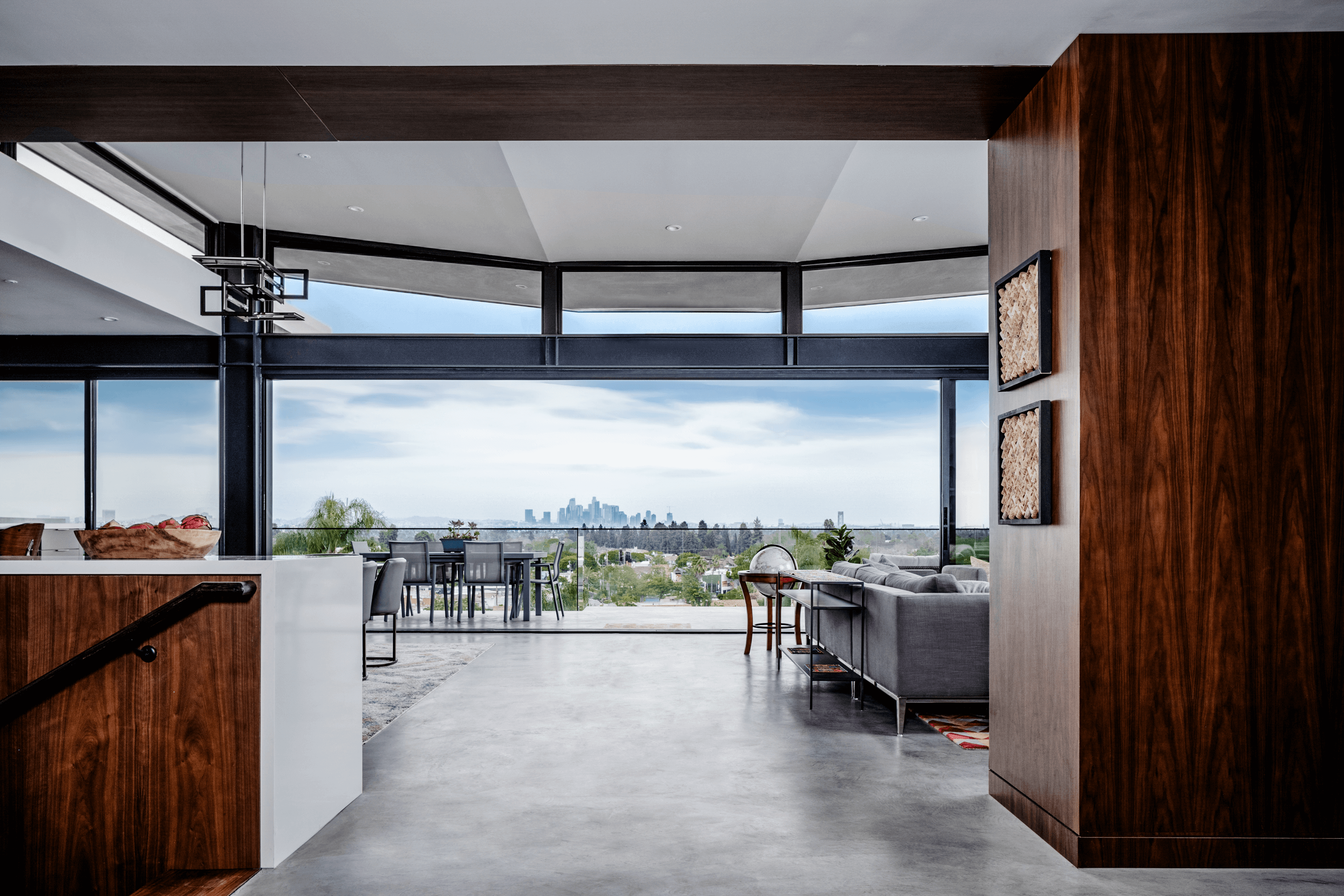
5. Modern Minimalism Meets Timeless Materials
Seattleites increasingly crave homes that feel clean, calm, and enduring. Modern minimalism continues to thrive — but softened with warm, natural, and timeless materials.
Trends we see in 2025:
- Minimalist layouts with flexible open spaces.\
- Natural palettes: wood, stone, steel, and glass.
- Durability-first: selecting materials that age gracefully rather than follow short-lived fads.
At Coates Design, this balance is central: pairing forward-thinking modern forms with enduring material honesty.
Bonus Trend: Technology Integration
Smart homes aren’t just about convenience anymore — they’re tools for efficiency. From energy dashboards that track consumption to integrated solar and battery systems, Seattle architects are embedding technology as a design element, not an afterthought.
FAQ: Is smart tech worth the investment?
If paired with sustainable design, yes. Automated shading, smart HVAC, and solar integration can cut energy bills by 20–30%.
Practical Takeaways for Homeowners
- Start with sustainability — it’s now standard, not optional.
- Ask about incentives — Seattle and Washington offer grants, rebates, and tax credits for electrification and green upgrades.
- Think about flexibility — ADUs or multipurpose spaces future-proof your investment.
- Plan for resilience — especially if your property is near water or in a storm-prone area.
- Choose timeless over trendy — invest in materials and forms that won’t feel dated.
Conclusion: Seattle’s Architectural Future
Seattle’s architecture in 2025 balances three forces: policy, people, and planet. Regulations drive net-zero and electrification. People demand flexibility, affordability, and beauty. The planet requires resilience and low-carbon thinking.
At Coates Design Architects, our philosophy is simple: create buildings that are sustainable, modern, and timeless. Whether you’re building your dream home, planning a remodel, or exploring an ADU, the trends shaping Seattle architecture this year point toward one thing — thoughtful, future-ready design.