
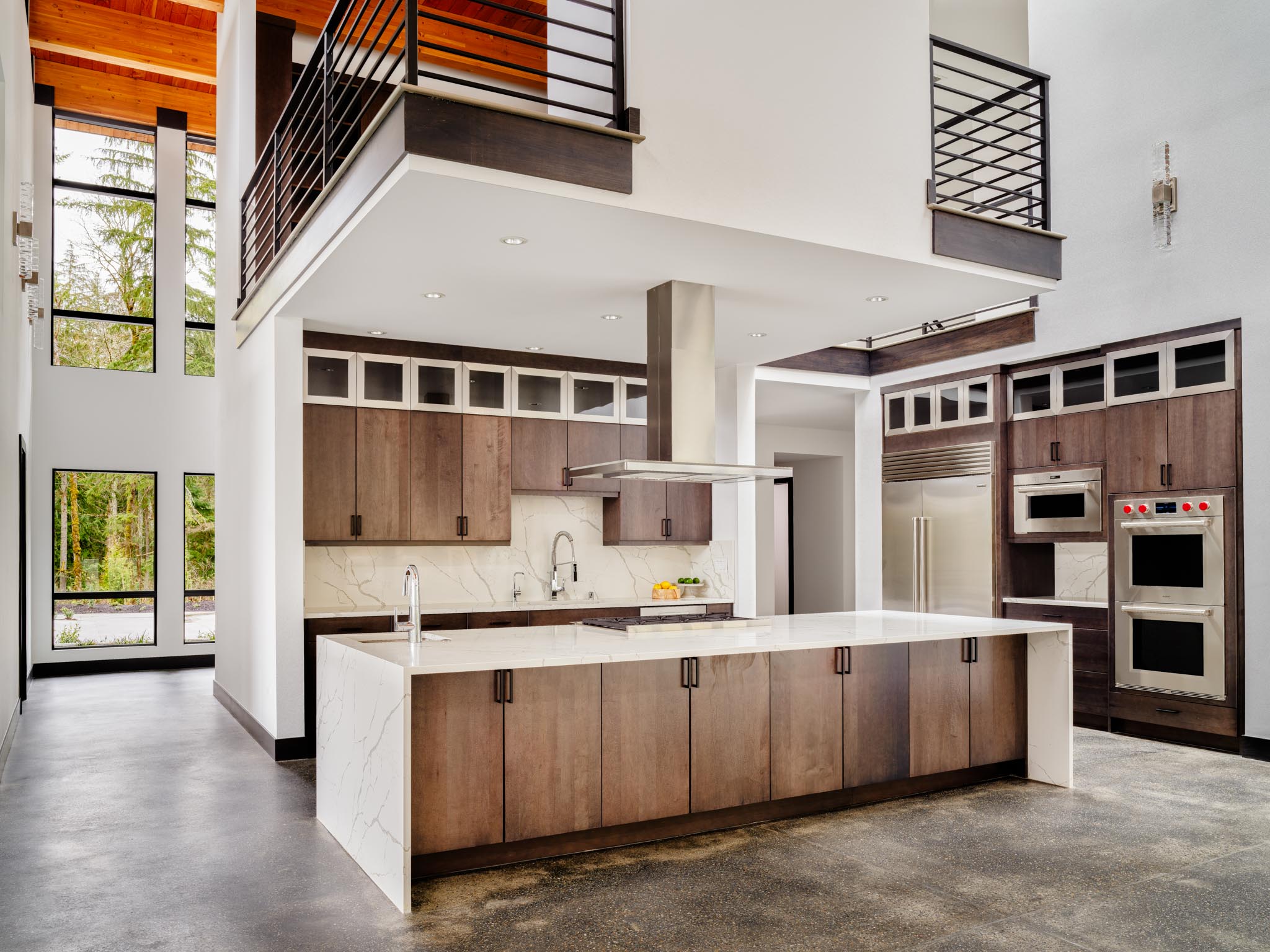
Introduction: Why balance matters for Seattle homes
The Pacific Northwest lifestyle — frequent rain, temperate summers, dramatic light, and an appetite for indoor-outdoor living — places unique demands on residential design. Seattle architects must make choices that serve everyday function (durability, thermal comfort, efficient layouts) while producing a strong visual identity that homeowners cherish. The result: homes that perform technically and communicate a sense of place.
Core principles Seattle architects use
At Coates Design and other Seattle firms, a few repeatable principles guide every successful project:
- Start with use: Plan spaces around how people actually live — circulation, storage, and multi-use rooms.
- Prioritize daylight and views: Use window placement, light wells, and clerestories to boost daylight without sacrificing privacy.
- Durability over fads: Select cladding, trims, and finishes that age gracefully in wet, marine-influenced climates.
- Simplify the palette: A restrained material palette ties aesthetics to function — wood, metal, glass, and textured masonry perform well and read as timeless.
Smart layout and circulation
Function first: effective circulation reduces wasted square footage and strengthens the aesthetic. Seattle architects emphasize efficient paths between kitchen, mudroom, garage, and outdoor spaces so the home feels effortless. Open plans are common, but designers still define rooms through level changes, partial walls, or built-in furniture to preserve human-scaled proportions.
Design tactics
- Place service spaces (laundry, mechanical, storage) adjacent to circulation cores to hide utility functions without losing access.
- Design flexible rooms (home office / guest room) using sliding partitions or built-in storage to keep the aesthetic tidy.
- Use proportional windows and framed views to draw attention to landscape features, increasing perceived space.
Material choices that marry form and function
Material selection is the bridge between beauty and performance. In Seattle, architects choose materials that resist moisture, reduce maintenance, and offer tactile appeal.
Common Pacific Northwest material strategy
- Cladding: Vertical cedar, fiber cement, and anodized aluminum for weather resistance and clean lines.
- Windows & doors: Thermally broken aluminum or fiberglass-clad wood for low maintenance and high performance.
- Interiors: Engineered wood flooring, concrete countertops, and durable finishes in high-traffic zones.
- Landscape & exterior: Permeable paving, native plantings, and covered entries to manage rain and year-round use.
Climate-responsive strategies
Seattle architects design for damp winters and mild summers. Passive design — careful orientation, overhangs for seasonal shading, and proper insulation — reduces HVAC needs while shaping aesthetics (deep eaves, protected porches, and sheltered glazing).
Integrating systems without sacrificing the look
Mechanical systems must be integrated discreetly. Seattle architects coordinate with engineers early so ducts, heat pumps, and ventilation are hidden in bulkheads or utility cores, not as an afterthought. Smart home controls and modest visible hardware keep interiors uncluttered and user-friendly.
Practical examples: balancing choices in real projects
Consider three hypothetical small case studies that illustrate the tradeoffs architects make:
- Small urban infill: Prioritizes light wells and window placement over added square footage; uses a simple exterior palette to fit neighborhood context.
- Waterfront renovation: Adds resilient cladding and elevates lowest floors while opening the upper level with large glazing to capture views.
- Suburban daylighting project: Reorients living spaces to the south with clerestory windows, limiting heat gain in summer while maximizing winter light.
The design process: collaboration is the secret
Successful projects require collaboration: architects interview homeowners, do real-use studies (how many people cook at once, storage needs), and develop test-fit plans. Early prototyping — scaled models, mood boards, or VR walkthroughs — surfaces functional issues before construction. This saves money and keeps aesthetic intent intact.
Budgeting and phased approaches
Balancing form and function doesn’t mean sacrificing either within any budget. Architects recommend priorities (kitchen, envelope, mechanical) and phased construction so homeowners can invest first in systems that protect and increase the value of the home, then layer high-impact aesthetic elements later.
Thinking of a remodel or new build in Seattle?
If you’re in Seattle and want a home that performs beautifully, local architects bring the climate knowledge, material experience, and design finesse necessary to balance function and aesthetics. Contact Coates Design to start a conversation — even a quick consultation can reveal cost-saving design moves aligned with your lifestyle.