
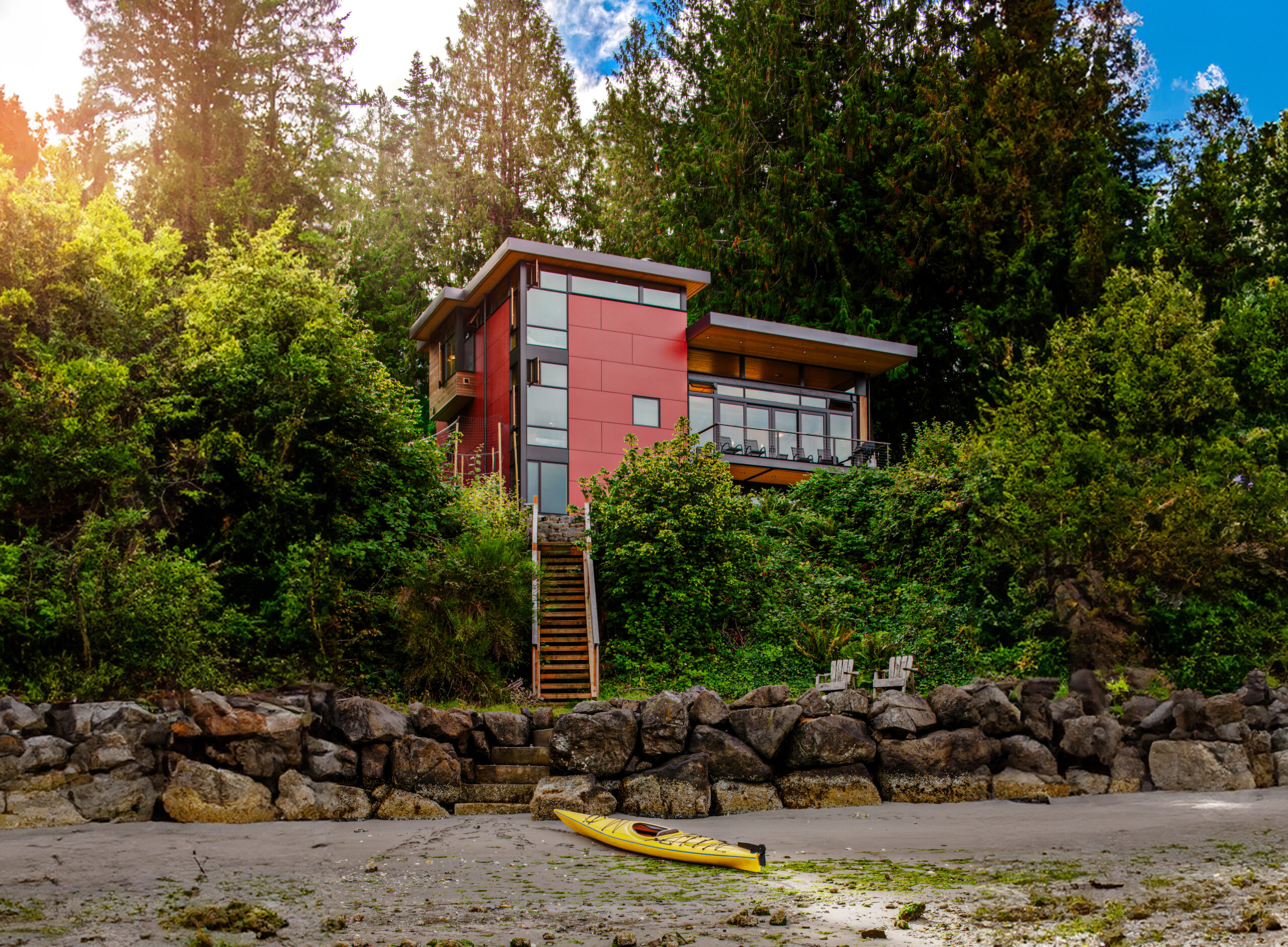
Seattle Architects and Sustainable Design: What Homeowners Should Know
Homeowners in Seattle often expect more from architecture than aesthetics alone. Environmental responsibility,
long-term durability, and thoughtful use of resources are now baseline expectations. As a result, sustainable design
has become a defining characteristic of many Seattle architects—but not all approaches are the same.
This guide explains how Seattle architects approach sustainable design, what that means for homeowners,
and how to evaluate whether sustainability is truly integrated into an architect’s work.
Are Seattle architects focused on sustainability?
Yes—most Seattle architects incorporate sustainability, but the depth and execution vary significantly.
Sustainability in Seattle architecture is influenced by:
- Regional climate conditions
- Progressive energy codes
- Environmentally conscious clients
- A strong culture of modern, performance-driven design
However, sustainability can range from surface-level features to fully integrated design systems. Understanding the difference matters.
What sustainable design actually means in Seattle
In the Pacific Northwest, sustainable architecture is not a checklist. It is a design methodology shaped by climate,
landscape, and long-term performance.
Climate-responsive design
Seattle’s cool temperatures, seasonal rain, and limited winter daylight require careful consideration of:
- Building orientation
- Natural daylight optimization
- Thermal envelope performance
- Moisture management
Well-designed homes reduce energy demand before renewable systems are even considered.
Energy efficiency before technology
Sustainable Seattle architects prioritize passive strategies first, such as:
- High-performance insulation
- Airtight construction
- Efficient window placement
- Reduced thermal bridging
Technology like solar or heat pumps performs best when paired with a fundamentally efficient building.
Responsible material selection
Material choices affect both environmental impact and long-term durability. Common considerations include:
- Locally sourced or regional materials
- Long-life finishes and assemblies
- Low-VOC products for indoor air quality
- Materials that age well rather than require replacement
This approach aligns sustainability with timeless design, not trend-driven construction.
Why sustainability matters to homeowners beyond energy savings
Sustainable design is often misunderstood as a cost premium. In reality, it directly supports homeowner goals such as:
- Lower operating costs over time
- Improved indoor comfort
- Healthier interior environments
- Greater resilience to climate shifts
- Stronger long-term property value
For many homeowners, sustainability is less about certification and more about living quality and longevity.
How Seattle architects integrate sustainability into custom homes
In high-end residential projects, sustainability is most effective when it is:
- Considered from the earliest design phases
- Integrated into site planning and massing
- Coordinated with structural and mechanical systems
- Balanced with architectural clarity and restraint
This integrated approach avoids add-ons and instead produces homes that feel calm, efficient, and intentional.
Questions homeowners should ask a Seattle architect about sustainability
To evaluate whether sustainability is genuinely embedded in an architect’s work, homeowners should ask:
- How does your design process address energy performance from the start?
- How do you design for Seattle’s climate specifically?
- What role does material longevity play in your projects?
- How do sustainability goals influence form and layout?
- How do you collaborate with consultants to improve performance?
Clear, specific answers indicate experience. Vague assurances usually do not.
Sustainability without sacrificing design quality
The best Seattle architects do not treat sustainability as a visual statement. Instead, it shows up as:
- Thoughtful proportions
- Natural light that feels intentional
- Buildings that sit comfortably in their landscape
- Homes that feel enduring rather than fashionable
When done well, sustainable design is felt more than seen.
Final takeaway for homeowners
Seattle’s architectural culture strongly supports sustainability, but homeowners benefit most when they work with architects who:
- Design specifically for the Pacific Northwest
- Prioritize performance early in the process
- View sustainability as a foundation, not a feature
- Align environmental responsibility with long-term architectural value
Sustainable design is not about doing more. It is about designing smarter.