
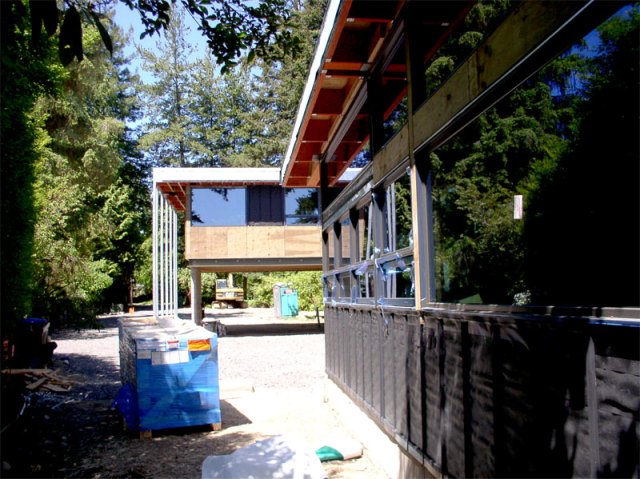
Building an ADU on Bainbridge Island: Design, Permits, and Inspiration
The rising cost of housing and growing need for flexible living arrangements have pushed Accessory Dwelling Units—commonly known as ADUs—into the spotlight, especially here in the Pacific Northwest. If you’re a homeowner looking to maximize property value, host guests, accommodate family, or generate rental income, building a Bainbridge Island ADU might be the perfect solution.
In this detailed guide, we’ll walk through everything you need to know: from zoning and permitting to smart design tips, common challenges, cost considerations, and how local experts like Coates Design can help you craft a stylish and sustainable ADU that meets your needs.
What is an ADU?
An Accessory Dwelling Unit is a self-contained residential unit built on the same lot as a primary home. It includes a kitchen, bathroom, and sleeping area—and can either be attached to the main house (like a basement apartment or garage conversion) or detached (a small house in the backyard).
ADUs are known by many names—granny flats, guest houses, in-law suites—but they all offer the same thing: flexibility. On Bainbridge Island, where land is limited and housing prices are high, ADUs are becoming an essential part of residential planning.
Why Build a Bainbridge Island ADU?
There are plenty of reasons homeowners are jumping on the ADU trend. Here are the most common motivations:
- Rental income: Long- or short-term rentals can provide stable, passive income.
- Family housing: Keep loved ones close, while maintaining privacy and independence.
- Remote work: Use it as a home office or creative studio.
- Aging in place: Downsize without leaving your property.
- Sustainable living: Smaller homes reduce your environmental footprint.
Permitting and Zoning in Bainbridge Island
Building a Bainbridge Island ADU involves navigating a maze of zoning laws and building regulations. The City of Bainbridge Island allows both attached and detached ADUs in most residential zones, but there are rules you must follow:
- Size Limit: Detached ADUs must be under 900 sq ft; attached ADUs must not exceed 50% of the main dwelling.
- Owner Occupancy: Either the main house or ADU must be owner-occupied.
- Lot Size: Minimum 20,000 sq ft for a detached ADU unless on a sewer connection.
- Setbacks: ADUs must maintain proper distance from property lines (usually 10–20 feet).
- Parking: At least one off-street parking space may be required.
- Design Compatibility: The ADU should visually match or complement the main home.
Don’t worry if that sounds overwhelming. Firms like Coates Design specialize in navigating the local permitting process and can guide you through each step—from paperwork to site planning to construction readiness.
Popular ADU Design Styles on Bainbridge Island
Whether you’re aiming for rustic charm or modern minimalism, there’s an ADU design that fits your style. Some of the most popular design aesthetics for Bainbridge Island ADUs include:
- Scandinavian Minimalist: Clean lines, natural light, light woods, and functional design.
- Pacific Northwest Modern: Large windows, sustainable materials, and sleek finishes.
- Rustic Cabin: Wood accents, metal roofs, and cozy interiors.
- Contemporary Cottage: Compact, elegant designs with space-saving layouts.
- Industrial Chic: Polished concrete floors, exposed beams, and bold materials.
Working with a local architect can help you select the right materials, layouts, and visual language that align with the island’s natural environment and your property’s existing style.
Smart Design Tips for Small Spaces
Space is limited in an ADU, but that doesn’t mean it has to feel cramped. With the right approach, a 600–900 sq ft space can feel open, bright, and even luxurious. Here are some tips from the design pros at Coates Design:
- Use vaulted ceilings: Even 10 feet makes a huge difference in perceived space.
- Maximize vertical storage: Built-ins, wall-mounted shelving, and under-bed drawers.
- Open-plan layouts: Combining living, dining, and kitchen areas makes small spaces feel larger.
- Lots of windows: Natural light makes rooms feel bigger and more inviting.
- Multi-purpose furniture: Murphy beds, fold-out tables, or sofas with hidden storage.
Common Challenges and How to Overcome Them
Let’s be real: building an ADU comes with a few hurdles. Here’s what Bainbridge homeowners often run into, and how to work around them:
- Topography: Steep slopes or forested lots can require creative foundations or retaining walls.
- Septic vs. sewer: If you’re not on city sewer, you’ll need to factor in septic capacity and expansion costs.
- Neighbor concerns: Maintaining privacy and respecting views is key. A smart architect can help mitigate this with screening or orientation strategies.
- Budget creep: Changes during construction or permitting delays can drive up costs. Set aside a contingency fund of at least 10–15%.
What Does It Cost to Build a Bainbridge Island ADU?
ADU construction costs vary widely depending on size, finishes, complexity, and infrastructure needs. Here’s a general breakdown for Bainbridge:
- Design + Permits: $20,000–$40,000
- Construction: $300–$500 per sq ft
- Total Estimate (for 800 sq ft): $250,000–$400,000
While not cheap, the investment often pays for itself over time—especially if you’re renting the space. A well-designed ADU can also significantly boost your property’s resale value.
Working with Coates Design
Coates Design is a local architecture firm with deep experience designing custom ADUs for Bainbridge Island homeowners. We combine creative vision, practical planning, and deep knowledge of local regulations to bring your project to life without unnecessary headaches.
Our process includes:
- Site analysis and feasibility study
- Conceptual design options
- 3D modeling and material selection
- Permit submission and approvals
- Project oversight and contractor collaboration
We’re committed to designing spaces that are beautiful, functional, and rooted in the community we call home.
FAQs About Bainbridge Island ADUs
Q: Do I need a separate utility connection for the ADU?
A: That depends on your existing infrastructure. Detached ADUs may require their own water or electric service, but shared systems are often possible.
Q: Can I rent out my ADU short-term (like Airbnb)?
A: Bainbridge Island has restrictions on short-term rentals. You’ll need to check with the City for current regulations and permitting requirements.
Q: Can I convert my garage into an ADU?
A: Yes, if the structure meets building code requirements or can be upgraded. It’s a cost-effective option with a smaller footprint.
Q: How long does it take to build?
A: On average, 8–12 months from design to move-in. Permitting alone can take 2–3 months, depending on the project complexity.
Looking Ahead: Is an ADU Right for You?
If you’re looking to add value to your home, solve a space problem, or create a flexible living solution, a Bainbridge Island ADU is a smart, forward-thinking investment. With the right design, you can maximize the function of your property without compromising style, privacy, or sustainability.
It all starts with a conversation—and we’d love to hear what you’re imagining. Whether you’ve got a clear vision or just a few Pinterest boards, Coates Design can help you take the next step with clarity and confidence