
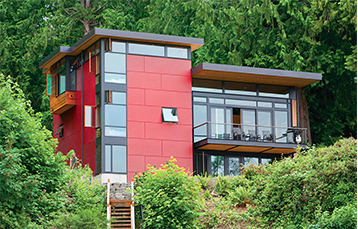
Best Neighborhoods in Seattle for Custom Architectural Homes
Different neighborhoods bring different lot sizes, slope conditions, view corridors, permitting quirks, and architectural character. In other words, choosing the right location can make your custom project smoother, smarter, and way more satisfying.
In this guide, we’ll walk through the best neighborhoods in Seattle for custom architectural homes, what makes each one special, and a few practical tips Seattle architects use to design homes that actually fit their setting (and the city’s rules).
What Makes a Neighborhood Great for a Custom Architectural Home?
Before we get into the neighborhood-by-neighborhood rundown, let’s talk about what typically makes an area a strong match for a custom home project. Most homeowners (and Seattle architects) look for a mix of:
- Lot characteristics: size, width, slope, access, and easements
- View potential: water, skyline, mountains, or tree canopy
- Neighborhood character: modern-friendly vs. historically sensitive areas
- Permitting complexity: design review overlays, shoreline restrictions, and critical areas
- Livability: schools, walkability, parks, commute, and amenities
And yes, budgets matter too. Some neighborhoods are more forgiving for a tear-down rebuild. Others are better for a high-end remodel or addition where you preserve parts of the existing structure.
1) Queen Anne
Best for: iconic views, hillside modern design, and statement homes
Queen Anne is a classic pick for custom architectural homes—especially if you want those postcard views. Lots can be steep, though, which is both a design opportunity and a technical challenge. Seattle architects often lean into this by designing multi-level homes with terraced outdoor spaces, view-focused glazing, and creative structural solutions.
Design considerations:
- Steep slopes and foundation engineering
- Parking and alley access constraints
- View orientation and privacy planning
2) Magnolia
Best for: larger lots, a quieter feel, and nature-forward design
Magnolia has a “tucked away” vibe that a lot of clients love. You’ll find pockets with larger lots and an outdoorsy atmosphere that’s ideal for homes that blur the line between indoor and outdoor living. Think big windows, warm materials, and layouts that open up to gardens and courtyards.
Design considerations:
- Tree retention and site-sensitive planning
- Wind and weather exposure in some areas
- Emphasis on privacy and landscape integration
3) Madison Park
Best for: luxury custom homes near the water and boutique neighborhood charm
Madison Park is known for its lake-adjacent lifestyle, walkable village core, and high-end residential feel. If you’re aiming for a polished custom home—modern, transitional, or contemporary—this neighborhood is a strong contender. It’s especially attractive for clients who want a refined home that still feels relaxed and livable.
Design considerations:
- Higher land costs and premium finishes expectations
- Potential shoreline and stormwater considerations near the lake
- Balancing contemporary design with neighborhood context
4) Broadmoor
Best for: estate-style living, privacy, and timeless architecture
Broadmoor is a gated community with a distinct, upscale character. Custom architectural homes here often skew toward timeless design and high craftsmanship. If you want a peaceful, private setting and a home that’s built to last (and impress), this neighborhood belongs on your shortlist.
Design considerations:
- HOA or community design requirements (if applicable)
- Emphasis on landscape, setback alignment, and cohesive curb appeal
- Often larger scopes: guest suites, home offices, and wellness spaces
5) Laurelhurst
Best for: established residential streets, family-friendly living, and high-quality remodels
Laurelhurst is known for mature trees, strong neighborhood identity, and a variety of home styles. It’s a great area for a custom project—especially high-end renovations, additions, or new builds that respect the existing character while still feeling fresh. Seattle architects often design here with a “new, but not flashy” approach.
Design considerations:
- Respecting neighborhood character and scale
- Potential restrictions on tree removal
- Prioritizing functional family layouts and daylighting
6) Capitol Hill (Select Residential Pockets)
Best for: bold modern design, compact-lot creativity, and urban living
Capitol Hill is vibrant, artistic, and packed with personality. While some areas are more multifamily-heavy, there are residential pockets where custom homes can shine—especially for clients who want an urban lifestyle and architecture that makes a statement. Lot sizes tend to be tighter, which pushes architects toward clever planning and vertical designs.
Design considerations:
- Smaller lots and tighter setbacks
- Noise management and privacy strategies
- Maximizing storage and flexible spaces
7) West Seattle (Admiral & Alki Areas)
Best for: water views, indoor-outdoor living, and contemporary coastal style
If you want Seattle living with a breezy, coastal feel, West Seattle is worth a serious look. Admiral offers a more neighborhood-centric vibe, while Alki brings you closer to waterfront energy. Custom architectural homes here often focus on views, decks, and open living spaces that feel light and easy.
Design considerations:
- View orientation and glazing strategies
- Salt air durability and exterior material choices
- Managing wind exposure in elevated sites
8) Ballard (Select Areas)
Best for: modern infill homes, Scandinavian-inspired design, and walkability
Ballard’s design scene tends to embrace clean lines, warm woods, and modern simplicity—often with a nod to Nordic influence. It’s a popular choice for custom new builds and high-end remodels where homeowners want a modern home that still feels welcoming (not cold and boxy).
Design considerations:
- Infill constraints and maximizing lot efficiency
- Daylight planning with neighboring structures close by
- Parking solutions and alley access
Quick Neighborhood Comparison
| Neighborhood | Best For | Typical Challenge |
|---|---|---|
| Queen Anne | Views + hillside statement homes | Steep lots, access, engineering |
| Magnolia | Quiet living + nature integration | Trees, site sensitivity |
| Madison Park | Luxury near Lake Washington | Premium budgets, shoreline impacts |
| Broadmoor | Privacy + estate-style homes | Community requirements, high expectations |
| Laurelhurst | Family layouts + refined remodels | Character sensitivity, tree retention |
| Capitol Hill | Urban modern + compact lots | Noise, tight setbacks, privacy |
| West Seattle | Coastal vibe + view-focused living | Weather exposure, material durability |
| Ballard | Modern infill + walkability | Infill constraints, daylight planning |
How Seattle Architects Help You Build the “Right” Home in the “Right” Place
Here’s the honest truth: the best custom homes aren’t just pretty—they’re site-smart. A good architect will look beyond the floor plan and guide decisions like:
- Site analysis: sun angles, wind, slope, drainage, and privacy
- Feasibility checks: what’s realistic under zoning, setbacks, and overlays
- View strategy: where to place main living spaces, windows, and terraces
- Budget alignment: matching design complexity to build cost
- Permit planning: coordinating drawings and consultants to reduce surprises
When you work with experienced Seattle architects, you’re not just buying drawings—you’re getting a strategy for how to turn a lot into a home that feels effortless (even when the site is tricky).
FAQs
Which Seattle neighborhood is best for modern custom homes?
Neighborhoods like Queen Anne, Ballard, and select parts of Capitol Hill often support modern architecture, especially where lots and context allow for contemporary forms and large openings.
Are waterfront neighborhoods harder to build in?
They can be. Properties near water may involve extra stormwater rules, shoreline considerations, and more complex permitting. That said, a skilled team of Seattle architects can help you navigate those requirements and design responsibly.
What neighborhood is best for privacy and larger lots?
Magnolia and Broadmoor are typically stronger choices for privacy, greener settings, and (in many cases) more generous lot conditions.
Do steep lots increase construction costs?
Often, yes. Steep sites may require additional engineering, retaining walls, and more complex foundations. But they can also unlock amazing views and multi-level designs that flatter the terrain.
Should I choose the neighborhood first or the architect first?
If you already own a lot, start with an architect right away. If you’re still shopping, consulting an architect early can help you avoid buying a property that looks great but is difficult (or expensive) to build on.
Wrapping It Up: Picking the Best Spot for Your Custom Home
Seattle has a neighborhood for just about every style of custom architectural home—whether you want skyline views, quiet tree-lined streets, lake living, or an urban lifestyle close to everything. The trick is matching your goals to a neighborhood that supports them, both in vibe and in build feasibility.
If you’re exploring a custom build or a major remodel, working with experienced Seattle architects can help you make confident choices early—saving you headaches later.