
When it comes to modern architecture, every city carries its own signature. From the glass towers of New York to the industrial minimalism of Chicago, urban landscapes reflect their histories and cultures. Yet few cities can rival the modern architectural diversity and creative freedom found in Los Angeles.
More than just palm trees and luxury homes, modern architecture in Los Angeles is a dynamic mix of innovation, mid-century nostalgia, and bold futurism. But what exactly sets it apart from other American cities? Let’s dive into what makes LA’s architectural scene so distinctly original.
A Legacy of Experimental Design
One of the defining qualities of modern architecture in Los Angeles is its culture of experimentation. Freed from the rigid, historic building codes found in older East Coast cities, LA architects have long embraced creative risk-taking.
Since the 1920s, pioneers like Richard Neutra, Rudolph Schindler, and John Lautner turned Los Angeles into a laboratory for modernist design, giving birth to iconic homes like the Lovell Health House and Chemosphere. This experimental spirit remains alive today in new builds and remodels, where unusual shapes, mixed materials, and open-concept spaces reign supreme.
Seamless Indoor-Outdoor Living
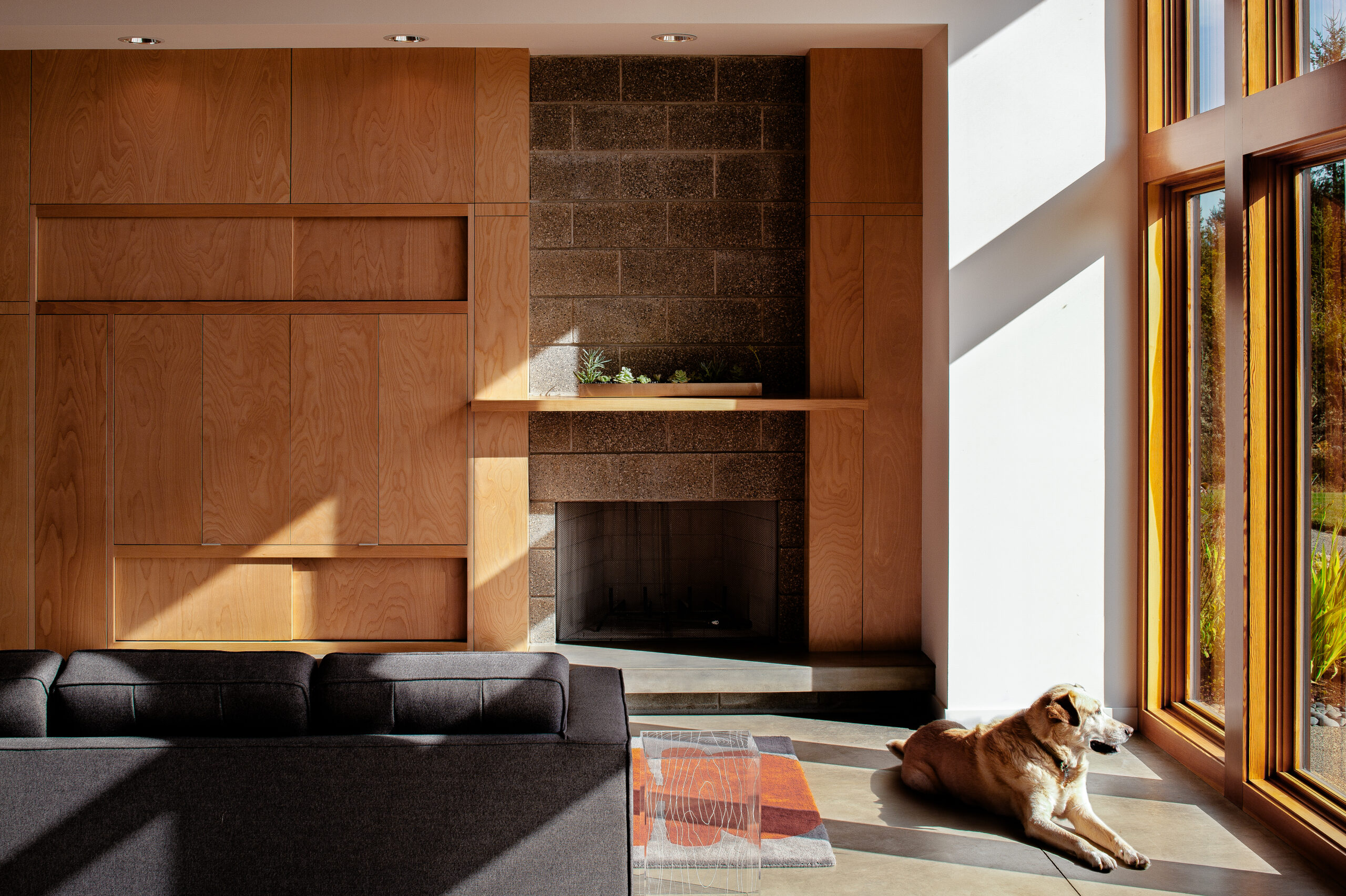
Perhaps nowhere in the United States is the indoor-outdoor connection more fundamental to residential design than in Los Angeles. The city’s year-round mild climate naturally lends itself to modern homes with expansive glass walls, retractable doors, and open courtyards.
Unlike the vertical urbanism of New York or the dense, wind-protected structures of Chicago, modern architecture in LA blurs the line between inside and outside. Outdoor kitchens, infinity-edge pools, and rooftop lounges are integrated seamlessly into architectural plans, offering both luxury and practicality for everyday life.
Mid-Century Modern’s Lasting Impact
While mid-century modernism made waves nationwide, it took especially deep root in Los Angeles. The Case Study House Program, launched by Arts & Architecture Magazine in the 1940s, made the city a hub for clean lines, flat planes, and organic materials.
These homes — designed by luminaries like Pierre Koenig and Craig Ellwood — prioritized simplicity, functionality, and a direct relationship with the environment. To this day, their influence is visible in LA’s residential neighborhoods and newer builds that reinterpret classic mid-century features with contemporary flair.
Bold Celebrity Homes and Architectural Statements
Los Angeles is also a city of image-makers and storytellers — and that includes its homes. Celebrity culture has played a major role in shaping modern architecture in LA, with bold, statement-making residences frequently appearing in magazines and on social media.
From Frank Gehry’s daring designs to Paul McClean’s ultra-modern mansions in the Hollywood Hills, LA’s architecture often doubles as a lifestyle brand. In other cities, modern homes might prioritize privacy and modesty. In Los Angeles, they’re designed to impress, entertain, and photograph beautifully.
Diverse Neighborhood Styles
Another reason modern architecture in Los Angeles stands out is the city’s architectural diversity across neighborhoods. Unlike compact, uniform downtown cores elsewhere, LA’s sprawling geography allows for bold experimentation in residential pockets.
In Venice, you’ll find modern beach bungalows with eco-friendly facades. The Hollywood Hills boast cantilevered glass homes hovering over canyons. Downtown LA combines restored Art Deco landmarks with sleek contemporary towers. Each neighborhood has its own flavor of modernism, reflecting the eclectic nature of the city itself.
Cultural and Global Influences
Los Angeles is one of the most culturally diverse cities in the world, and that diversity deeply influences its modern architecture. You’ll find homes and public buildings shaped by Japanese minimalism, Mediterranean warmth, and Latin American vibrancy, often fused with cutting-edge Californian innovation.
This openness to global architectural styles gives LA homes a distinctive, cosmopolitan character that’s rare in other American cities, where architecture often leans toward regional homogeneity.
Final Thoughts
In short, modern architecture in Los Angeles is bold, diverse, and intimately connected to both its natural environment and its cultural zeitgeist. Unlike the tight, history-bound cityscapes of the East Coast or the industrial uniformity of the Midwest, Los Angeles embraces experimental forms, luxurious outdoor living, and a rich blend of global influences.
It’s not just a place where people build homes — it’s a city where architecture tells stories, expresses identity, and constantly reinvents itself.