
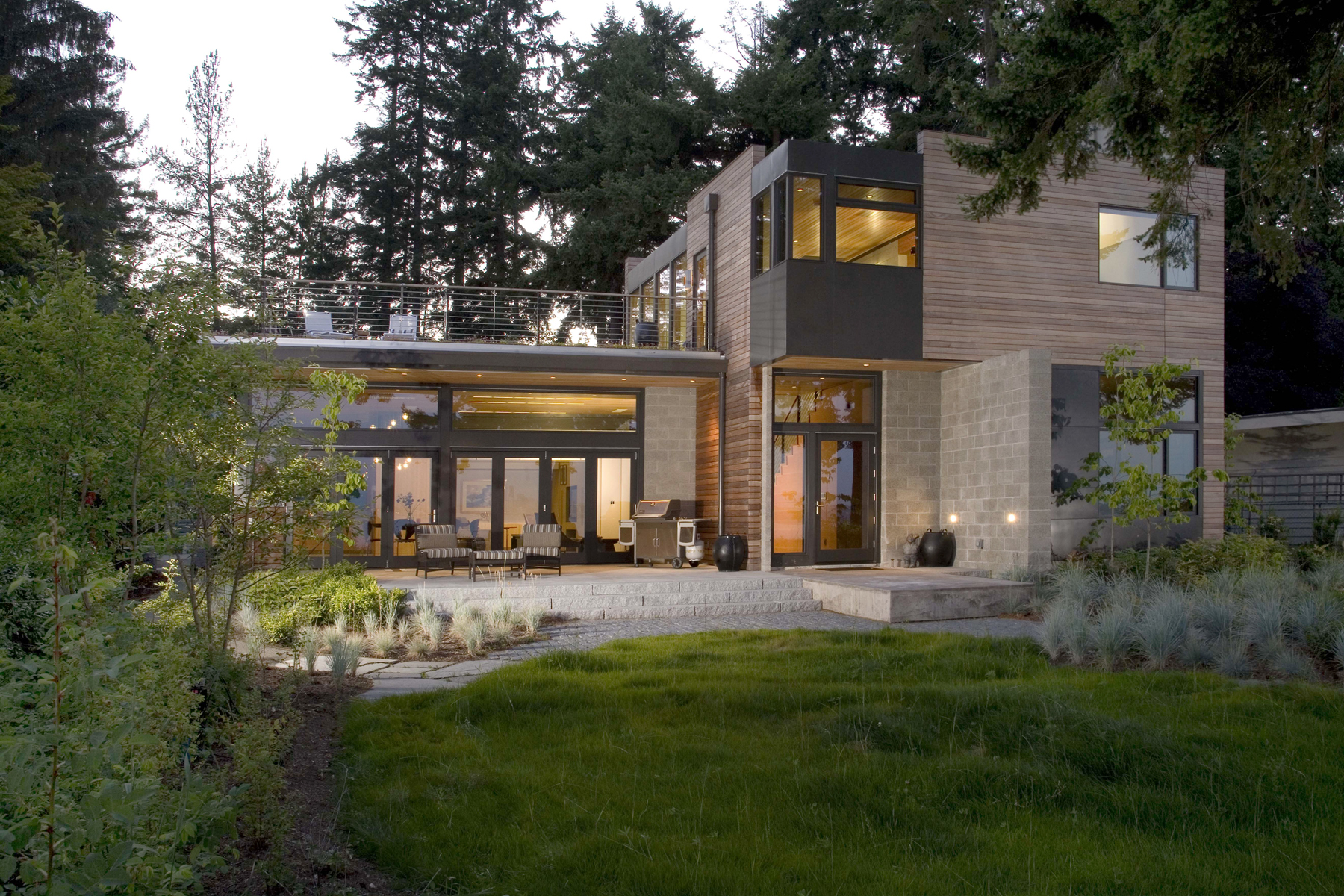
How to Choose the Right Waterfront Home Architect for Your Property
Designing a waterfront home is unlike any other architecture project. You need an architect who understands water, landscape, regulations, and aesthetics. Here’s your complete guide to selecting the ideal waterfront home architect for your property.
1. Prioritize Experience with Waterfront Projects
Not all architects are equal when it comes to waterfront work. Choose a team that has designed homes on lakeshores, rivers, or coastal sites. Ask for a portfolio showing experience handling erosion, flood zones, water views, and site stabilization.
Why Waterfront Experience Matters
- Understanding shoreline setback rules and floodplain codes.
- Ability to design structures that withstand moisture, wind, and shifting soils.
- Experience integrating decks, docks, and terraces without harming the shoreline.
2. Emphasis on Sustainable & Resilient Design
With waterfront homes, sustainability isn’t optional—it’s essential. Your architect should offer low‑impact foundations, green building materials, storm‑resilient features, and energy‑efficient systems. Ask how they address erosion control, native landscaping, and climate projections like rising water levels.
Make It Green From the Ground Up
Look for certifications or experience in passive solar, rainwater harvesting, or locally sourced timber. Your architect should show you examples of homes that minimize environmental impact while maximizing durability.
3. Familiarity with Local Regulations & Permitting
Waterfront sites often require complex permitting: shoreline permits, critical area reviews, floodplain letters, building restrictions, and possibly historical overlays. Engage an architect who knows your local jurisdiction and has successfully navigated permits for waterfront builds.
What to Check
- Permit history on past waterfront projects.
- The architect’s working relationship with local authorities.
- How they mitigate setbacks, buffer zones, or environmental overlays.
4. Integrated Site Analysis & Structural Coordination
Waterfront terrain often demands customized foundations: pilings, stilts, caissons, or engineered pads. Your architect should collaborate early with structural engineers, marine geotechnical experts, and landscape professionals to create a safe, integrated design.
Site‑Driven Design
Ask to see sample site plans and early coordination documents. A prime architect reviews topography, tidal patterns, prevailing winds, and vegetation before finalizing massing or layout.
5. Portfolio & Client References
Review completed projects similar in scale and context to yours. Request client references and ask specific questions: “How did the architect handle unexpected site issues?”, “Were permits obtained efficiently?”, “Was the budget maintained?”
Questions to Ask Past Clients
| Question | Why It Matters |
|---|---|
| How did the architect communicate changes? | Responsive communication helps smooth timelines. |
| Were budgets transparent? | Waterfront costs can escalate without clear tracking. |
| How were environmental features handled? | Reputation for respecting site matters greatly. |
6. Holistic Design Approach & Aesthetic Fit
Your architect’s style should harmonize with your vision and the landscape. Some specialize in modern glass-and-steel designs, while others use timber, stone, or rustic vernacular—matching hillside cabins or coastal cottages. Choose one whose built work complements your ideal aesthetic.
Design Elements to Explore
- Open floor plans that maximize water views
- Large operable windows with protective shading or screens
- Natural materials that age gracefully in marine climates
7. Budgeting & Transparent Fee Structure
A beachfront or lakefront build can be 25–50 % more expensive than a typical home. Good architects provide clear fee schedules, cost-estimate options, and value-engineering suggestions. Make sure you understand their approach to managing construction contingencies or unknown wetlands.
Typical Architect Fee Structure
Fees may be fixed, percentage-based, or phased. Ask how design choices impact cost: heavier pilings, higher flood elevations, engineered soil improvements, or environmental mitigation may raise expenses—and good architects help optimize trade-offs.
8. Communication & Collaboration Style
A successful waterfront design depends on clear, ongoing communication. Does the architect respond promptly? Do they explain trade-offs? Will they help during construction, approvals, or contractor selection? Make sure your working style aligns.
Red Flags
- Slow or vague responses.
- No regular check‑in process during permitting or building.
- Reluctance to collaborate with builders or engineers.
9. Ask for Conceptual Early Design Samples
Before committing, see early visual materials: site studies, massing sketches, 3D renderings, or sample decks. These indicate how your architect thinks spatially and whether they prioritize water access, daylight, and site flow.
What to Look For
- Clear site understanding.
- Balance between indoor and outdoor living.
- A sense of scale and connection to the water.
10. Trust, Chemistry & Shared Vision
Ultimately, the right fit boils down to trust. You will collaborate closely for months or years. Choose someone you feel understands your vision and shares your values in sustainability, durability, beauty, and function.
By focusing on experience, sustainability, permitting fluency, integrated design, clear communication, and aesthetic alignment, you’ll find the right architect to bring your waterfront dream to life. At CoatesDesign.com, we specialize in resilient, inspiring waterfront architecture—get in touch when you’re ready to begin.