
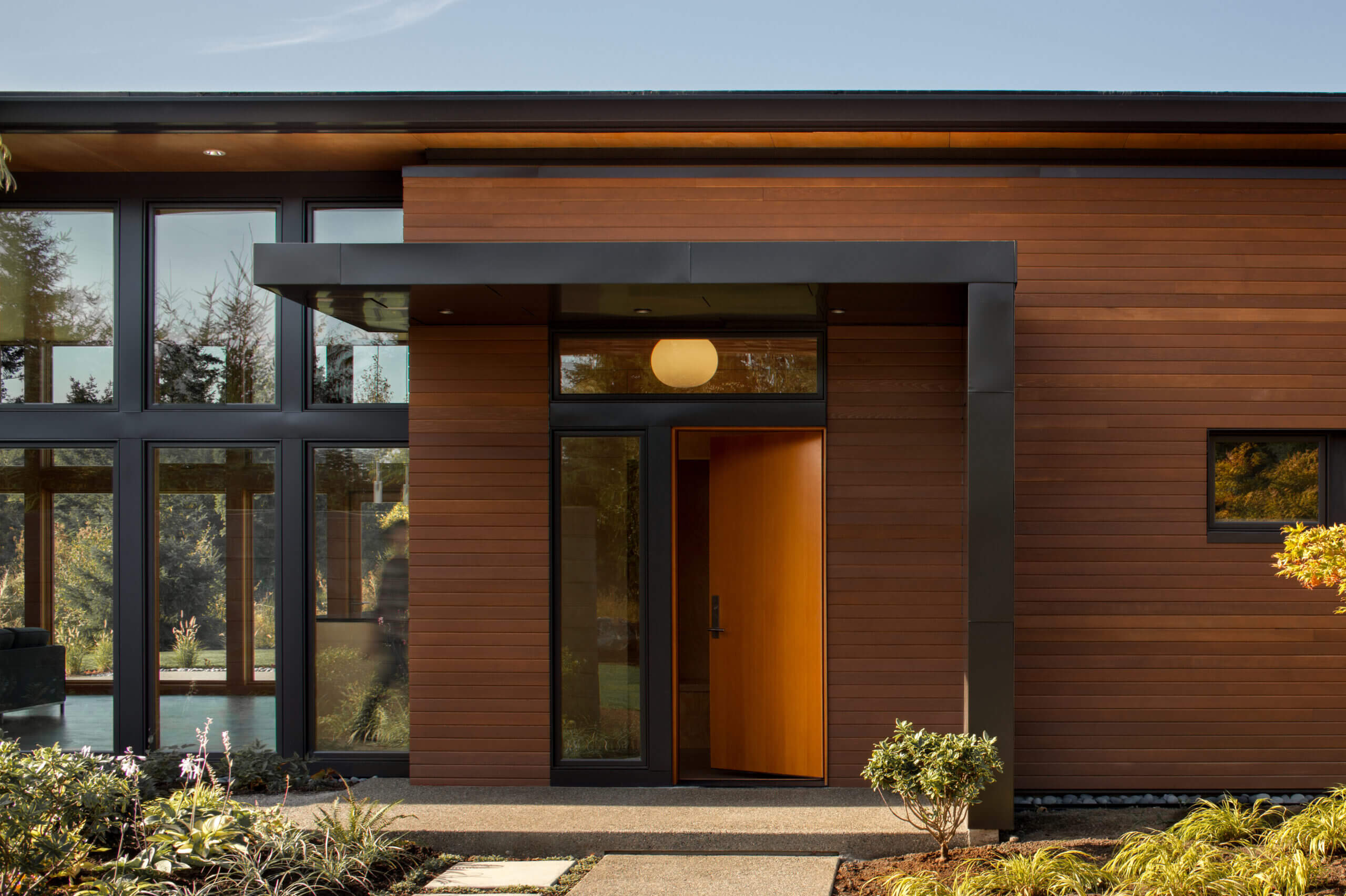
🏡 How Sustainable Architecture Impacts Your Health and Well-being
Sustainable architecture is no longer just about conserving energy and using eco-friendly materials—it’s also about enhancing human health and well-being. As we spend more than 90% of our lives indoors, the design and quality of our built environments significantly affect our physical, emotional, and psychological health. For forward-thinking firms like Coates Design, creating buildings that support healthy lifestyles is a foundational principle.
Introduction to Sustainable Architecture and Human Health
Sustainable architecture aims to reduce the environmental footprint of buildings while promoting harmony between people, nature, and structure. But beyond energy savings and material choices, its deeper value lies in how it supports health-conscious living.
From better air quality to biophilic integration, sustainable design offers tangible and life-enhancing benefits that go far beyond aesthetics.
Indoor Air Quality and Ventilation
One of the most significant ways sustainable architecture promotes well-being is through superior indoor air quality. Traditional construction materials often contain volatile organic compounds (VOCs), which release harmful gases into the air and contribute to respiratory problems, allergies, and headaches.
How Sustainable Architecture Helps:
- Low-VOC materials: Paints, adhesives, and finishes used in sustainable buildings emit fewer pollutants.
- Natural ventilation: Strategic window placement and airflow design reduce the need for mechanical systems.
- Advanced filtration: Energy-efficient HVAC systems with HEPA filters remove allergens and contaminants.
Cleaner air leads to fewer respiratory issues, better sleep, and improved cognitive performance.
Daylighting and Circadian Rhythm Regulation
Natural light is crucial for regulating our circadian rhythms, the internal clocks that control sleep-wake cycles, mood, and hormonal balance.
Benefits of Sustainable Daylighting:
- Large windows and skylights bring in natural light and reduce dependence on artificial lighting.
- Orientation and layout considerations ensure rooms receive balanced daylight throughout the day.
- Health improvements include reduced eye strain, improved sleep quality, and enhanced mood.
By increasing access to daylight, sustainable architecture helps occupants feel more alert, energized, and emotionally balanced.
Thermal Comfort and Temperature Control
Thermal comfort refers to maintaining a comfortable indoor temperature without extreme fluctuations. Sustainable buildings incorporate passive heating and cooling strategies, insulating materials, and smart systems to stabilize temperature efficiently.
Comfort Features:
- High-performance insulation retains heat in winter and coolness in summer.
- Thermal mass elements (like concrete or rammed earth) absorb and slowly release heat.
- Window shading and placement reduce overheating and cold drafts.
A well-regulated indoor climate supports immune health, sleep quality, and mental focus.
Acoustic Comfort and Noise Reduction
Noise pollution—whether from traffic, neighbors, or mechanical systems—can disrupt sleep, raise stress levels, and impair cognitive function.
Sustainable Sound Strategies:
- Natural sound barriers like green roofs or vegetated walls dampen external noise.
- Sustainable acoustic materials, such as recycled denim insulation, reduce echo and absorb sound.
- Smart layout designs buffer quiet zones from louder activity areas.
By prioritizing quiet, acoustically balanced environments, sustainable architecture helps reduce stress, anxiety, and fatigue.
Biophilic Design and Connection to Nature
Humans thrive when they’re connected to nature. Biophilic design, a core principle of sustainable architecture, integrates natural elements into the built environment to boost well-being.
Key Biophilic Elements:
- Indoor plants, green walls, and rooftop gardens
- Use of wood, stone, and other organic textures
- Windows and open layouts offering views of natural landscapes
These elements reduce stress, improve mood, and even boost productivity by re-establishing a connection to the natural world.
Stress Reduction and Psychological Benefits
Sustainable architecture uses calming design elements—from soft lighting and warm textures to open spaces and nature-based color palettes—that reduce stress and enhance mental clarity.
Psychological Enhancers:
- Mindful material selection to promote tranquility
- Open, uncluttered layouts for visual calm
- Multisensory design incorporating tactile surfaces and natural scents
These features promote relaxation and emotional balance, contributing to long-term mental health.
Accessibility and Inclusive Design
Health and well-being also depend on inclusive design that accommodates people of all ages, sizes, and abilities. Sustainable architecture includes:
- Wider doorways and hallways
- Step-free entries
- Adjustable lighting and ergonomic spaces
By reducing physical barriers, these designs support independence and dignity for all users, enhancing overall quality of life.
Energy Efficiency and Its Role in Health
While energy efficiency is often viewed in terms of cost savings, it also contributes to health by reducing reliance on fossil fuels and lowering indoor pollution.
Positive Outcomes:
- Less carbon monoxide and toxic emissions
- Better air quality from electric heating and cooling systems
- Stable indoor environments regardless of external temperature
Efficient buildings are healthier buildings—for both people and the planet.
Sustainable Living and Lifestyle Empowerment
Beyond physical benefits, sustainable homes inspire healthier lifestyles by:
- Encouraging natural lighting and active spaces like gardens or terraces
- Fostering community and shared spaces for social well-being
- Promoting mindful consumption through energy and water efficiency
Sustainable architecture becomes a daily reminder to live consciously, fostering well-being through environment-driven behaviors.
Conclusion
Sustainable architecture isn’t just about saving energy or protecting the planet—it’s about creating spaces that heal, nurture, and elevate human life. From cleaner air and better light to a closer bond with nature, the benefits of sustainable design ripple across every aspect of your health and well-being.
At Coates Design, we believe that sustainable architecture is essential for a healthier future—for our clients, our communities, and our world.