
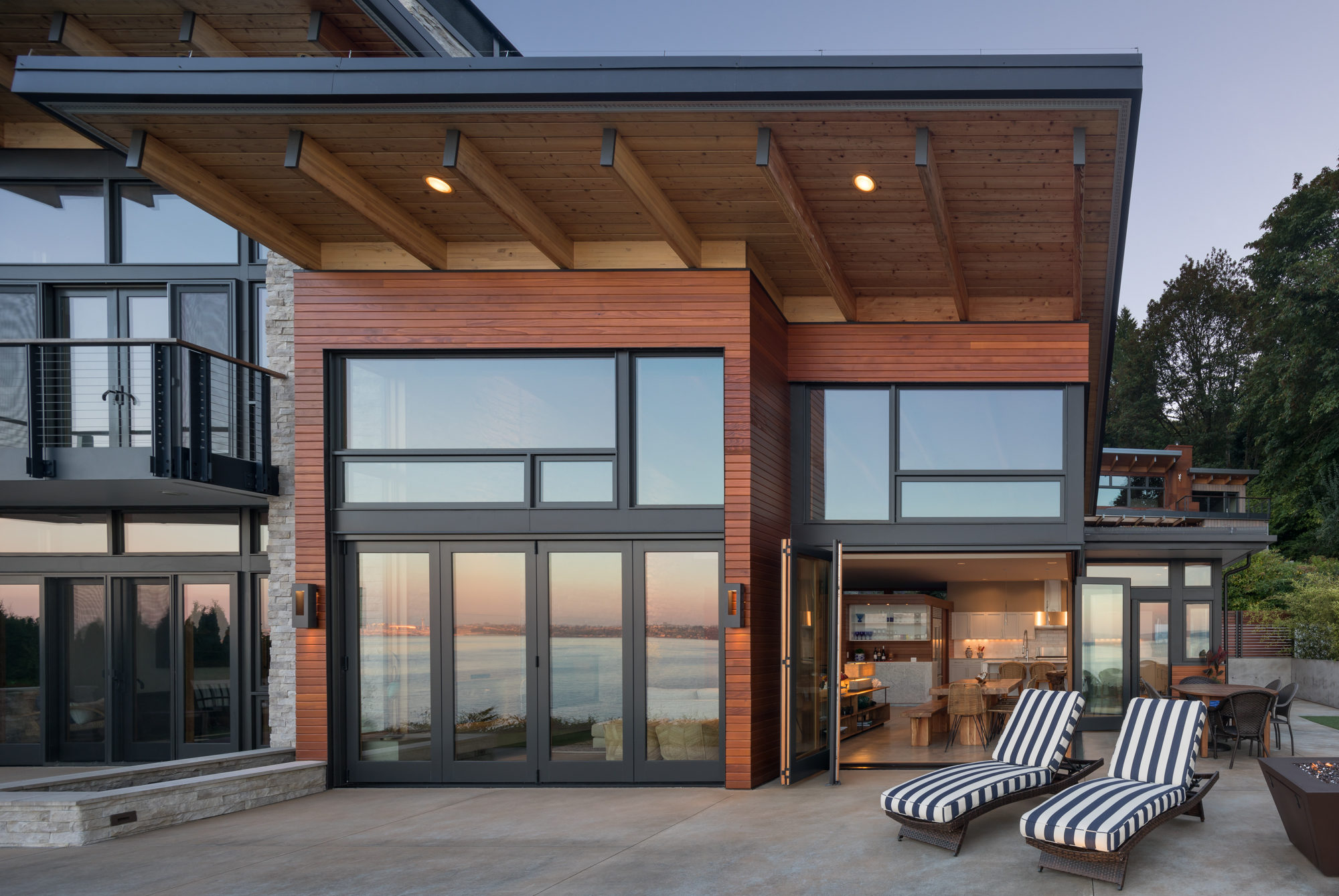
The Role of Architects in Seattle’s Urban Development
Introduction — why architects matter in Seattle
Seattle’s growth over recent decades has been rapid, complex, and deeply shaped by place-specific forces — topography, the Puget Sound shoreline, a rain-forward climate, and an economy fueled by tech and innovation. In this dynamic environment, architects Seattle act as both designers and civic stewards: they craft buildings, influence policy, drive sustainability, and translate community values into the built environment. This article explores the many roles architects play in Seattle’s urban development and why their involvement is essential to healthy, resilient neighborhoods.
1. Master planners: coordinating growth and infrastructure
Architects often work at the scale of neighborhoods and corridors — producing master plans, redevelopment schemes, and design frameworks that coordinate density, transit access, and public space. In Seattle, where transit-oriented growth and zoning changes are underway, architects translate density goals into humane, walkable streetscapes. They work with planners and engineers to align buildings with sidewalks, lighting, landscaping, and public amenities, ensuring that growth contributes positively to everyday urban life.
2. Designers of place: shaping public realm and identity
Seattle’s neighborhoods each have distinct characters, from Capitol Hill’s vibrant streets to Ballard’s maritime history. Architects preserve and reinterpret that character through sensitive additions, adaptive reuse, and context-aware new designs. The result is a city that grows without losing the special qualities that make each neighborhood unique. Thoughtful facade composition, material selection responsive to the marine climate, and human-scaled massing all help design places where people want to live, work, and gather.
3. Advocates for sustainability and resilience
Climate resilience and sustainable design are central responsibilities for contemporary architects. In Seattle, this includes passive strategies for rain and stormwater management, energy-efficient envelopes for wet-cool winters, and resilient waterfront design to contend with sea-level rise and seismic risks. Architects integrate green roofs, permeable paving, rain gardens, and net-zero-ready mechanical systems into projects — reducing environmental impact while creating healthier indoor and outdoor spaces.
4. Collaborators with policy-makers and community groups
Architects frequently act as translators between technical policy and lived experience. They provide expert testimony at design review boards, participate in community charrettes, and work with city agencies to refine zoning and design standards. This collaborative role is crucial in Seattle, where community engagement and design review are institutionalized processes used to shape outcomes that reflect public priorities.
5. Innovators in housing solutions
Seattle faces a pressing housing affordability challenge. Architects propose and prototype alternative housing types — missing-middle housing, accessory dwelling units (ADUs), micro-units, and modular construction — that can increase supply while maintaining quality. Architects also optimize unit layouts and common areas to create efficient, livable homes in tighter footprints, helping make projects financially viable for builders and accessible for residents.
6. Preservation and adaptive reuse specialists
Maintaining Seattle’s historic fabric requires skillful intervention. Architects lead adaptive reuse projects that convert old warehouses, industrial buildings, and historic homes into contemporary uses while preserving character-defining features. This approach supports sustainability (reusing embodied energy) and keeps neighborhood histories visible as the city evolves.
7. Designers of equitable public spaces
Beyond private buildings, architects help design parks, civic plazas, and streetscapes that are inclusive and welcoming. By centering accessibility, safety, and cultural programming in public-space design, architects support equitable urban development that benefits diverse populations across Seattle.
8. Integrators of transportation and mobility design
As Seattle invests in light rail, bus rapid transit, and multimodal streets, architects collaborate with transit agencies to ensure stations and adjacent developments support good urban design. This includes ensuring seamless pedestrian access, clear wayfinding, high-quality station architecture, and mixed-use development that activates transit corridors.
9. Technical problem-solvers: climate, code, and context
Seattle’s climate and seismicity present technical challenges. Architects integrate structural, envelope, and mechanical solutions to meet codes, improve safety, and enhance occupant comfort. High-performance glazing, ventilated rainscreens, and seismic-resilient detailing are just a few examples where architects coordinate complex technical work to produce reliable, durable buildings.
10. Educators and cultural leaders
Architects often take leadership roles in public education — giving lectures, leading tours, writing for local publications, and mentoring younger designers. Through these activities they foster a more informed public conversation about design quality and the long-term implications of development decisions.
Practical takeaways for clients and community members
- Engage early: Bring architects into projects at the concept stage to shape outcomes that are efficient and contextually appropriate.
- Value collaboration: Look for firms comfortable working with neighborhood groups, planners, and engineers.
- Prioritize resilience: Choose design strategies that address Seattle’s specific climate and seismic realities.
- Consider adaptive reuse: Reusing existing structures can be more sustainable and culturally valuable than demolition and rebuild.
- Seek long-term value: Good architecture reduces lifecycle costs, improves occupant well-being, and increases civic pride.
Frequently Asked Questions
- Q1: What services do architects in Seattle typically provide?
- A: Architects provide site analysis, conceptual design, construction documents, permit assistance, construction administration, and often help coordinate consultants (structural, MEP, landscape).
- Q2: How do architects help with affordable housing projects?
- A: Architects optimize unit plans for affordability, advise on cost-effective materials and systems, design to meet funding program requirements, and often assist with community engagement and grant/financing strategies.
- Q3: Are Seattle architects involved in design review and permitting?
- A: Yes — experienced Seattle architects understand local design review procedures, permit submittal requirements, and how to present projects to city boards and community stakeholders.
- Q4: What is the difference between an architect and a designer or contractor?
- A: Architects are licensed professionals trained in design, building codes, and project coordination. Designers may not be licensed; contractors focus on construction. Architects bridge design intent and buildability.
- Q5: How do architects incorporate sustainability in Seattle projects?
- A: They use passive design (solar orientation, daylighting), efficient envelopes, rainwater management, low-impact materials, and sometimes pursue certifications like LEED or Built Green.
- Q6: How can community members influence development through architects?
- A: Community members participate in charrettes, public review meetings, and feedback sessions where architects collect input and adjust designs to reflect local priorities.
Conclusion — architects as civic partners
Architects in Seattle are far more than building designers; they are civic partners who translate policy into place, mediate between stakeholders, and design resilient, livable environments for present and future generations. Whether addressing affordability, sustainability, historic preservation, or waterfront resilience, architects bring a uniquely integrative perspective that is essential to thoughtful urban development. For developers, communities, and city leaders alike, thoughtful collaboration with architects results in cities that are not only denser, but better — healthier, more equitable, and more beautiful.