
Architects in Seattle vs. Other Cities: What Sets Them Apart?
Seattle stands out as a city of innovation, sustainability, and natural beauty—and the architects in Seattle are a reflection of these values. Unlike their counterparts in cities like New York, Chicago, or Los Angeles, Seattle architects operate within a very different framework that influences everything from material choice to spatial design and long-term impact. This article dives into how their approach uniquely sets them apart from architects in other urban landscapes.
1. A Climate-Centric Design Philosophy Unique to Seattle
Adapting to Rainy Weather and Microclimates
Seattle’s frequent rainfall, cloud cover, and fluctuating temperatures significantly impact how buildings are designed. Unlike Los Angeles, where sun exposure dominates design priorities, Seattle architects prioritize rainwater management, moisture control, and maximized daylight.
Durable Materials and Passive Heating Solutions
Because of its damp environment, Seattle architecture often incorporates weather-resistant materials like fiber cement siding and standing seam metal roofs. Passive solar techniques and energy-efficient heating systems are also prevalent, something less emphasized in milder climates like San Diego or Miami.
2. Sustainability as a Core Design Principle
LEED Certification and Eco-Friendly Trends
Architects in Seattle are leading voices in the green building movement. The city ranks high in LEED-certified buildings, partly due to civic incentives and client demand. In contrast, cities with less stringent environmental goals may lag behind in sustainability integration.
Biophilic Design and Energy-Efficient Buildings
You’ll often find living roofs, solar arrays, and locally sourced materials featured in Seattle projects. This emphasis on biophilic design promotes both environmental and human health, creating a synergy between structure and nature that isn’t as prioritized in other regions.
3. Navigating Seattle’s Strict Zoning and Permit Laws
Site-Specific Constraints and Height Restrictions
Seattle’s hilly terrain and complex permitting processes require architectural precision. Height restrictions, environmental overlays, and shoreline management laws challenge architects to be both innovative and compliant.
Smart Adaptation to Regulatory Frameworks
Where cities like Houston may offer more flexibility, Seattle architects need deep knowledge of local codes, community review boards, and design review guidelines. These constraints often result in more thoughtfully planned projects.
4. Community-Focused Urban Integration
Pedestrian-Friendly Spaces and Public Engagement
Seattle emphasizes walkability and inclusive public space. Architects must often consider pedestrian zones, bike lanes, and green space access in their planning—unlike car-centric cities such as Dallas or Atlanta.
Integrating Local Culture and Heritage
Whether it’s preserving historic facades or highlighting Indigenous land acknowledgment, Seattle architects build with a sense of place and community narrative—a layer not always present in cities undergoing rapid gentrification.
5. Innovation in Mixed-Use and Small Lot Designs
Compact Urban Living Without Compromising Aesthetics
Seattle’s rising real estate costs and limited space have sparked innovation in small-lot development. Architects maximize functionality using vertical design and multi-purpose structures—a trend less common in sprawling metros.
Architectural Ingenuity in Limited Space
Designing for dense neighborhoods like Capitol Hill or Fremont pushes architects to find clever ways to integrate natural light, privacy, and utility—skills less honed in cities with ample land.
6. Collaboration with Seattle’s Tech and Green Industries
Office Spaces for Microsoft, Amazon, and Startups
Seattle’s tech boom has created demand for high-performance workspaces that support productivity, wellness, and innovation. Local architects work closely with industry leaders to craft flexible and future-proof offices.
Designing for Flexible, Smart Work Environments
In contrast to older corporate hubs, Seattle firms lead the way in designing adaptive reuse spaces, hybrid offices, and net-zero buildings that support the city’s sustainability goals and digital-first culture.
7. Design Aesthetics Inspired by Natural Landscapes
Views of Mount Rainier, Puget Sound, and Evergreen Forests
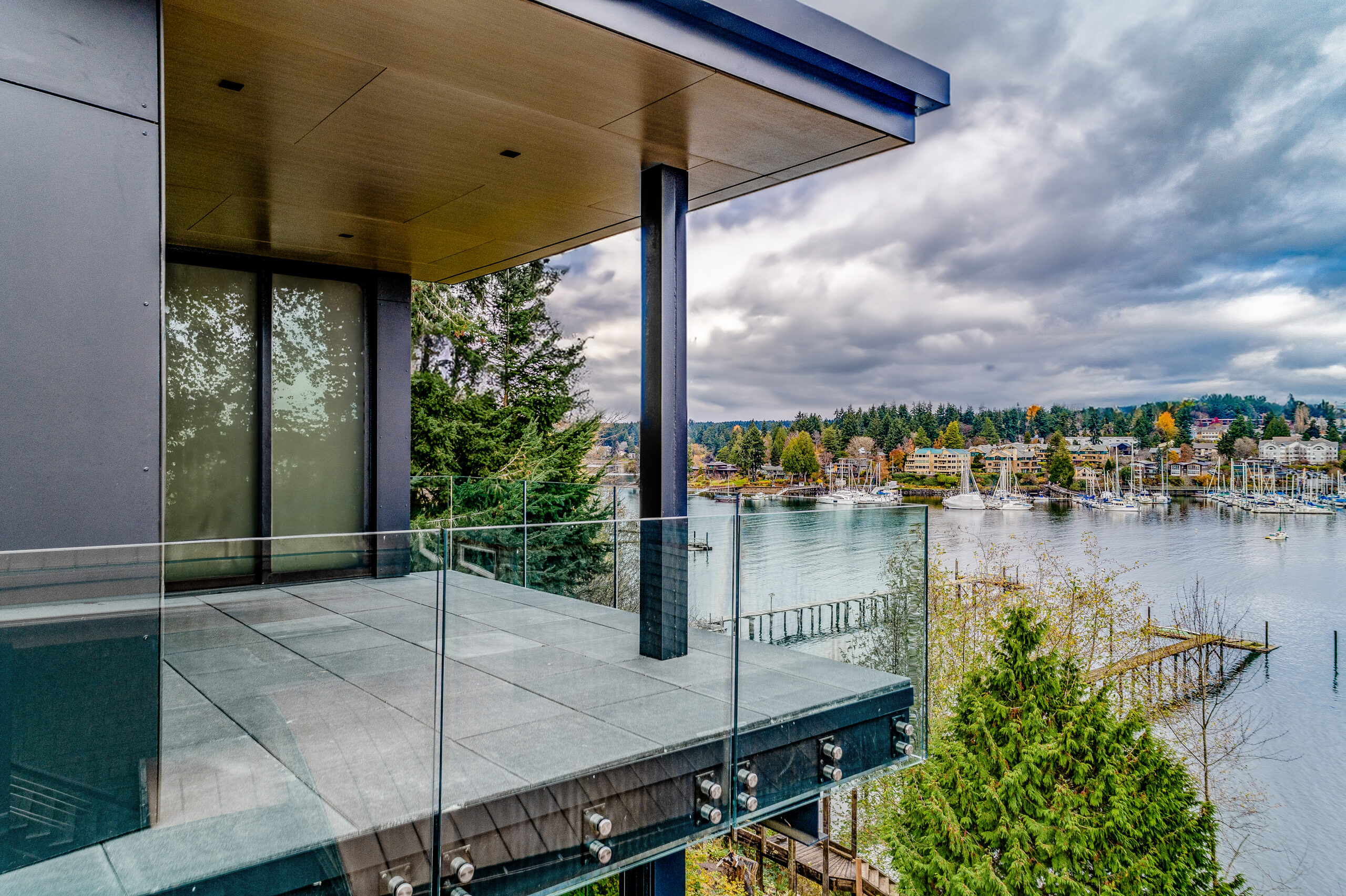
Seattle architects often draw inspiration from the region’s breathtaking vistas, designing homes and buildings that frame and enhance natural surroundings. Floor-to-ceiling windows, cantilevers, and open-air terraces are hallmarks of this regional aesthetic.
Blending Structures Into Their Surroundings
Rather than dominating the landscape, Seattle’s architectural ethos embraces subtlety and harmony. Projects blend into topography rather than reshape it—unlike the towering high-rises of Manhattan or the sharp angles of Miami’s skyline.
Conclusion: Why Seattle’s Architectural Identity is Uniquely Forward-Thinking
Architects in Seattle are more than designers—they’re problem solvers, environmentalists, and community builders. They navigate strict regulations, harness limited space, and channel the city’s values of sustainability and innovation. Whether you’re a prospective client or simply an admirer of thoughtful architecture, understanding how Seattle architects differ from their counterparts reveals the future-forward mindset shaping the Emerald City’s skyline.